Halifax to Vancouver
Across Canada by Rail. Winter.
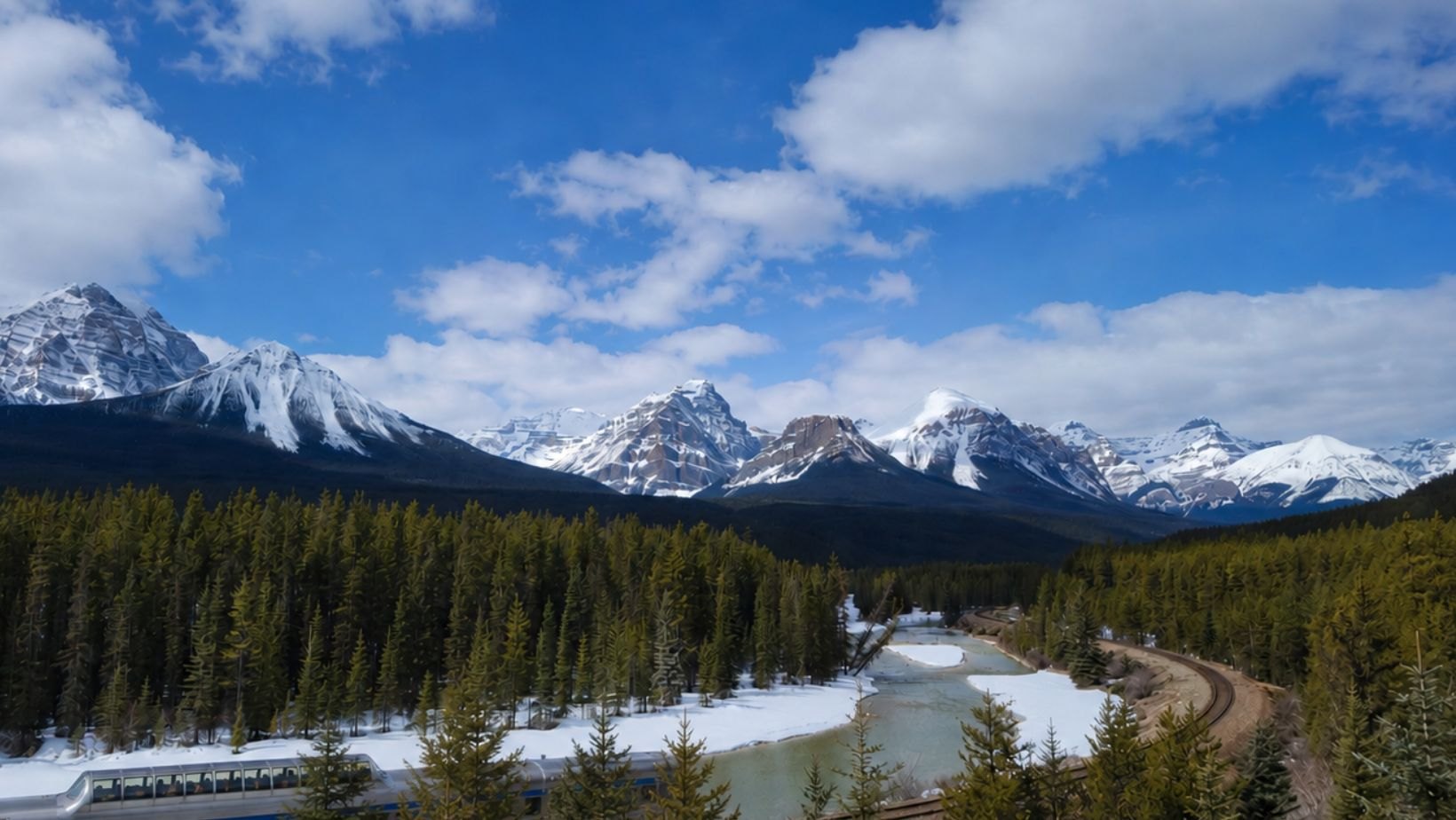
Canada is at its widest travelling east to west. This journey begins at the Atlantic and ends at the Pacific for one reason: the Rockies are the crescendo, and the best of them is seen arriving from the prairies. The horizon vanishing, the train slowing, the land turning from something you look across into something you look up at. We would not run it the other way.
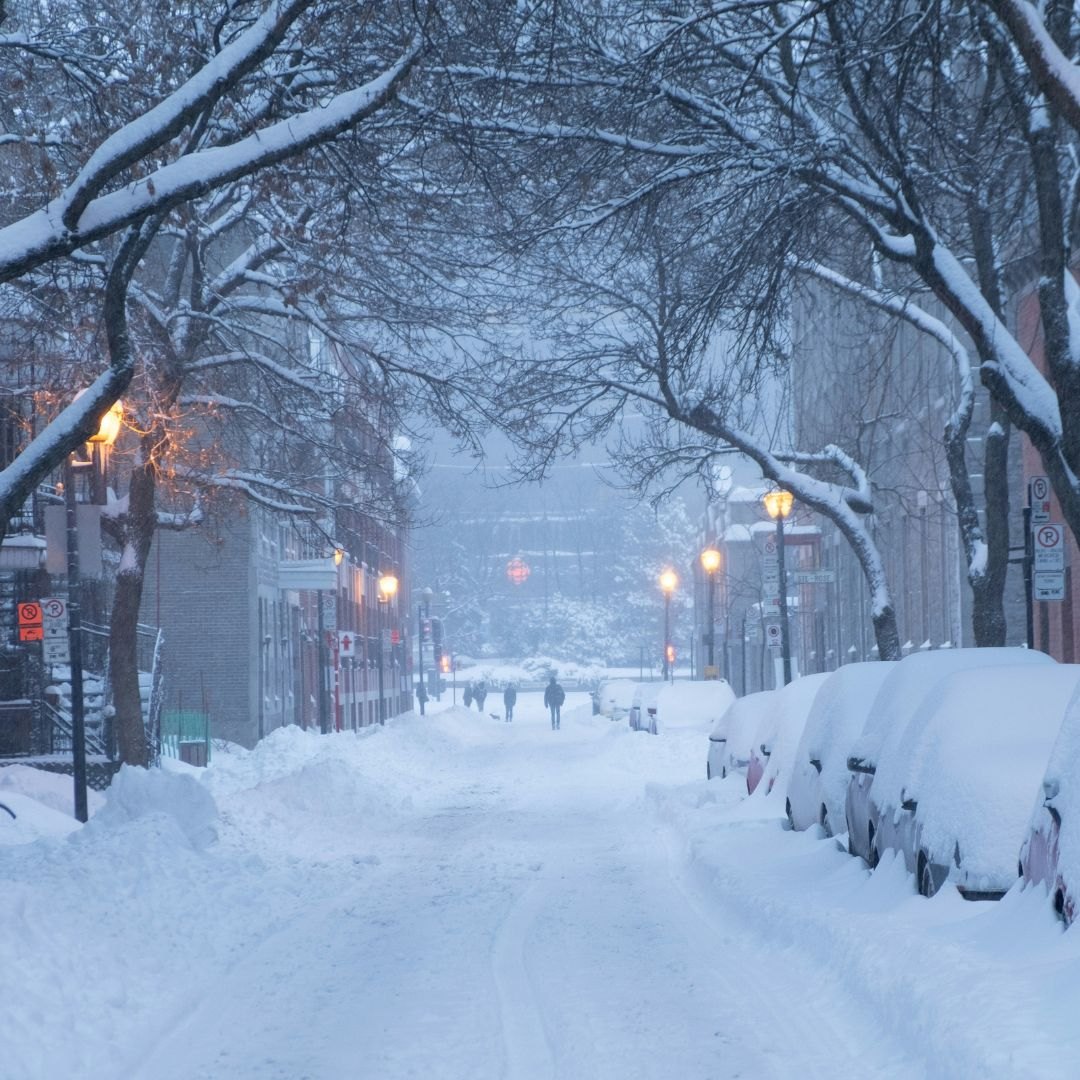
It is also, deliberately, a winter journey. The Canadian crosses the country all year, but in winter it carries a fraction of its summer passengers through a landscape most travellers never see: frozen rivers sliding beneath the train, animal tracks across snow with no house in sight for hours, sunsets that last long past their allotted time because the light keeps returning off the snow. People imagine white. What winter actually offers is cream and pale blue, silver birch and black spruce, and long lavender shadows.
The journey
Ocean to ocean.
Halifax
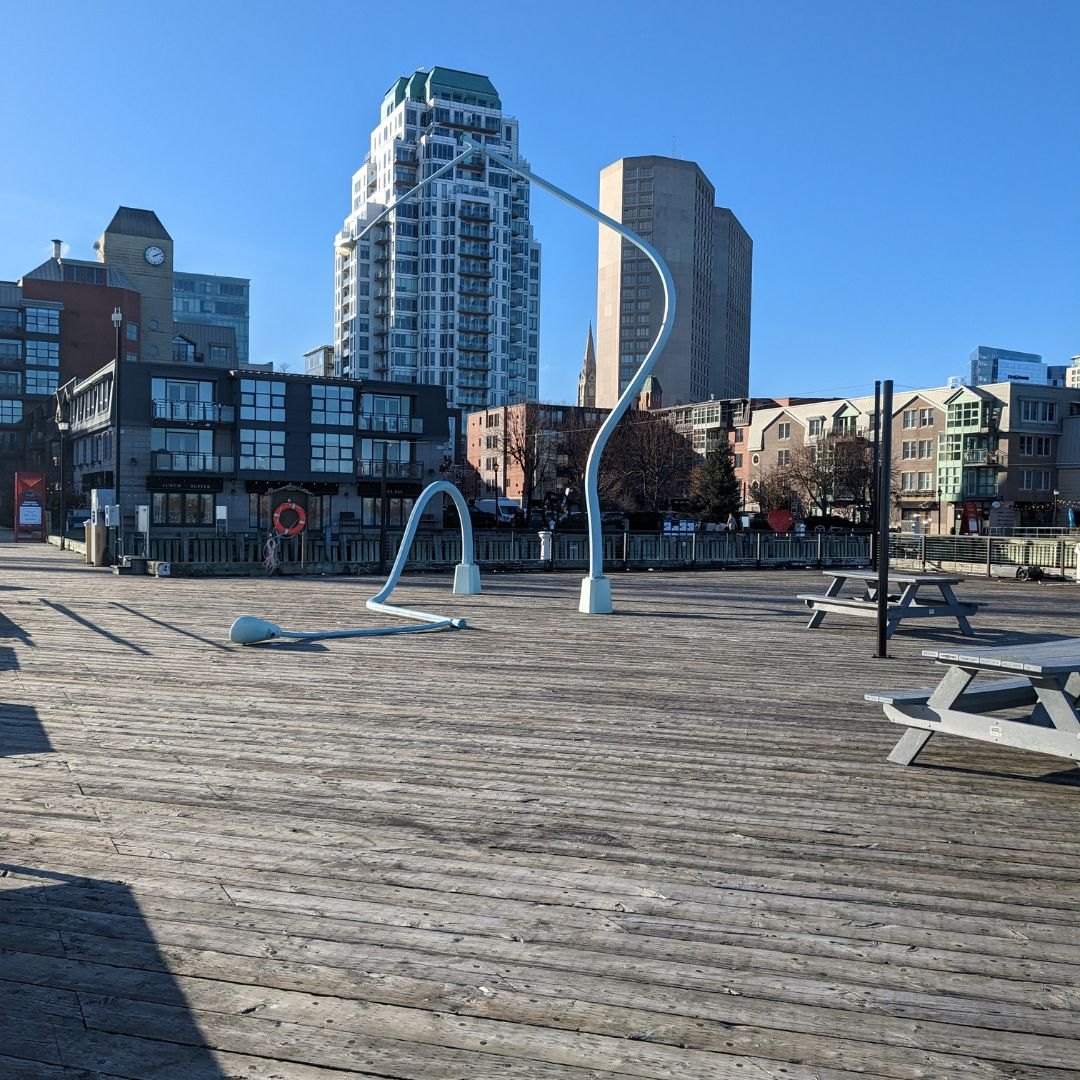
The crossing starts at the harbour where Canada historically began for so many, with two nights at Muir on the waterfront. Time enough for the Citadel above the town, a long lunch on the harbourfront, or, weather permitting, the coastline by helicopter, which in winter means an audience with the North Atlantic in its working clothes. A private transfer delivers you to the station.
The Ocean
Halifax to Québec overnight in a sleeper aboard the Ocean, the oldest continuously operated named train in North America. Dinner and breakfast are served aboard. The Ocean departs three days a week; the itinerary is built around its schedule, not the other way about, a rhythm you will come to know.
Québec
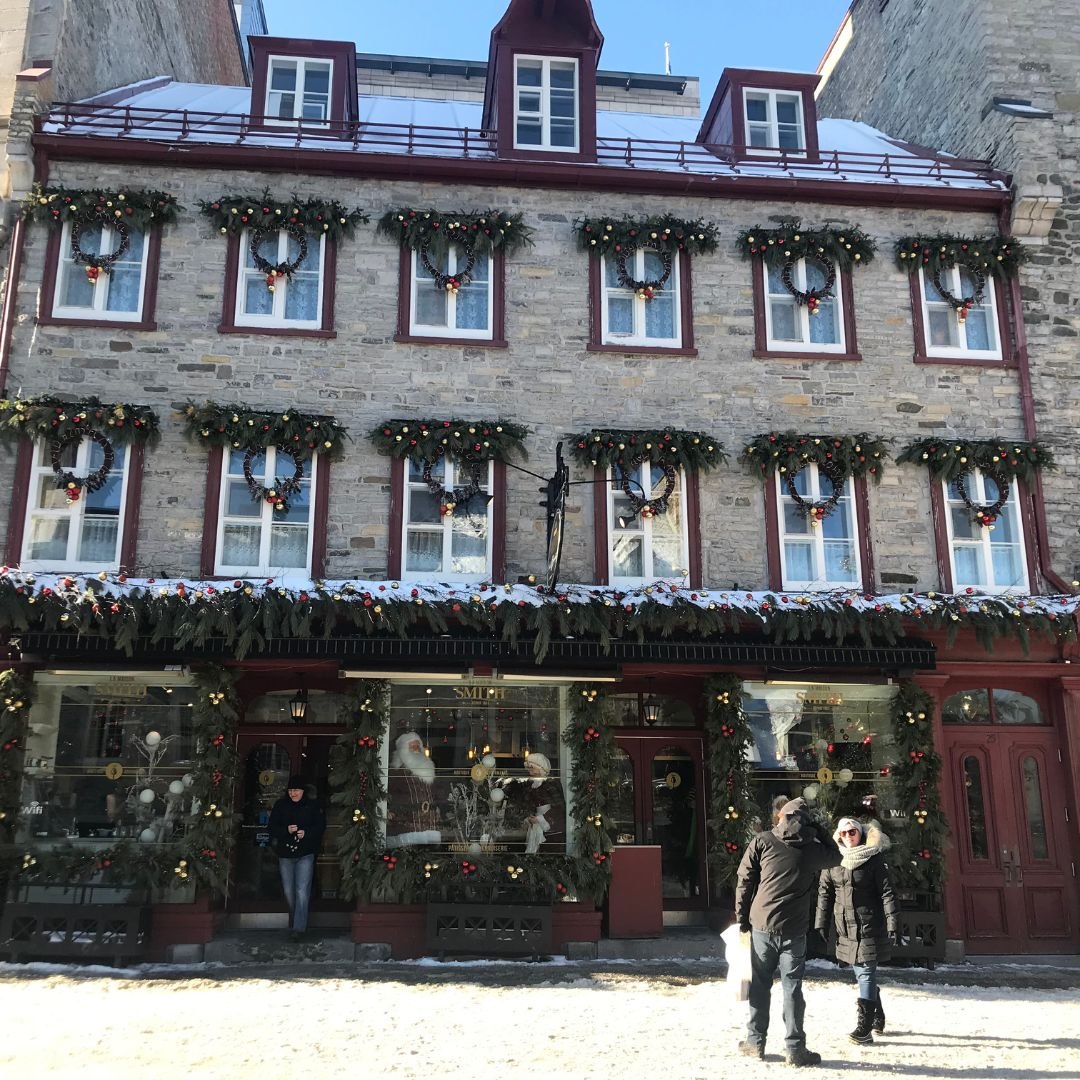
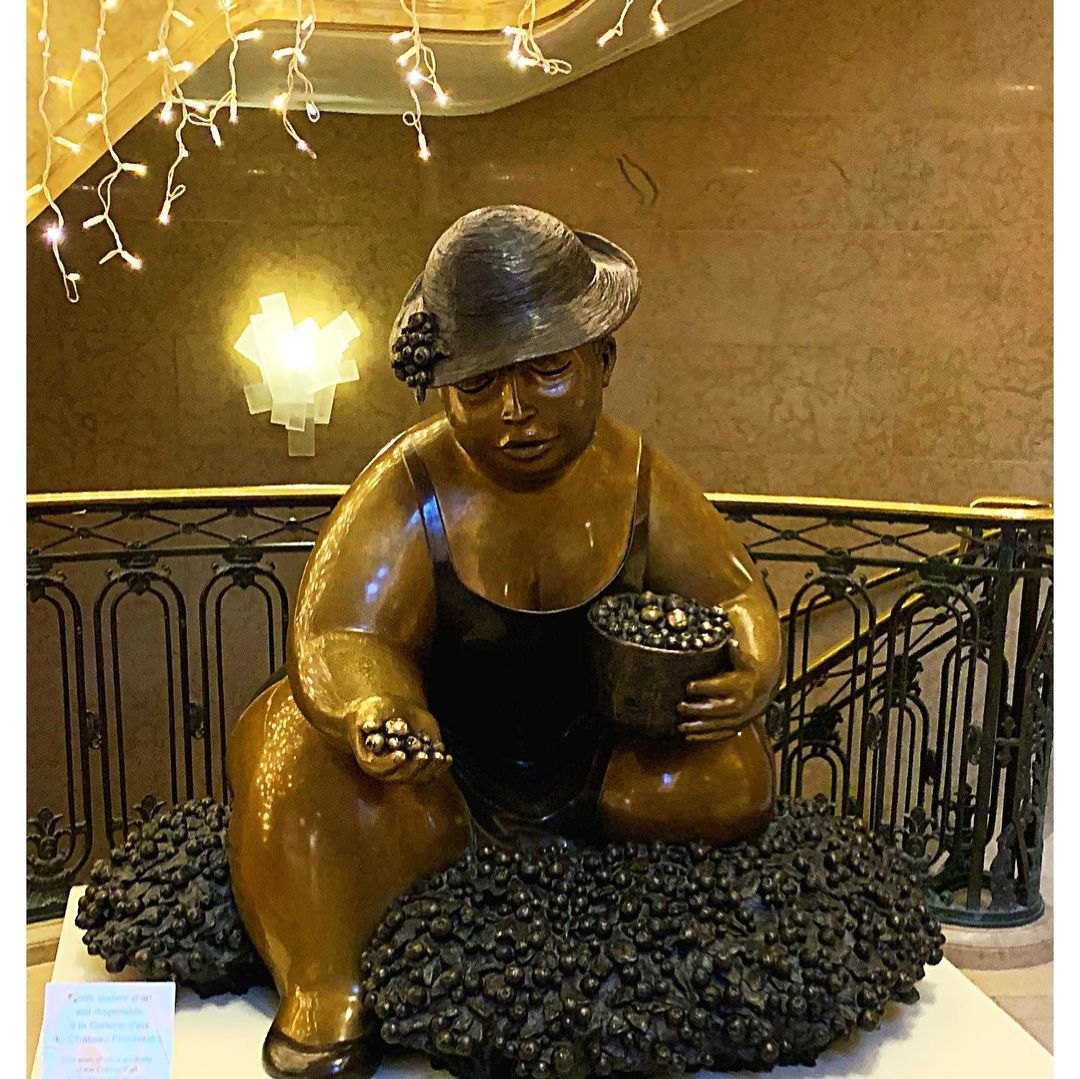
Two nights at the Fairmont Château Frontenac above the frozen St. Lawrence, with Old Québec on foot: the walled town, the food, and maple taffy rolled in the snow, which is not for children only. An evening in the forest north of the city, lit and told by the Huron-Wendat Nation, is the anchor here. The third night is spent at the Hôtel de Glace, the ice hotel, rebuilt each January and gone by spring. One night in a room carved from ice, arctic sleeping bags provided, is precisely enough, and it is a night you will describe for years.
Montréal
South by train in Business Class, following the St. Lawrence. Two nights at the Four Seasons. Anchor your Montreal stay with a day out with sled dogs in the Laurentians, or try ice fishing, which is a highlight for some. Between them, the Old Port, skates optional, and Montréal’s table, which needs no season.
Toronto
Onward by rail to three nights at the Fairmont Royal York, directly across from the station, a hotel built by a railway for exactly this arrival. In late January and February, the city runs Winterlicious, its long-table midwinter food festival. Or visit Niagara Falls by helicopter: the falls do not freeze solid most of the time, but the spray builds ice sculptures along the gorge that summer visitors never see. For clear nights, a dark-sky excursion north of the city is a great reserve.
The Canadian
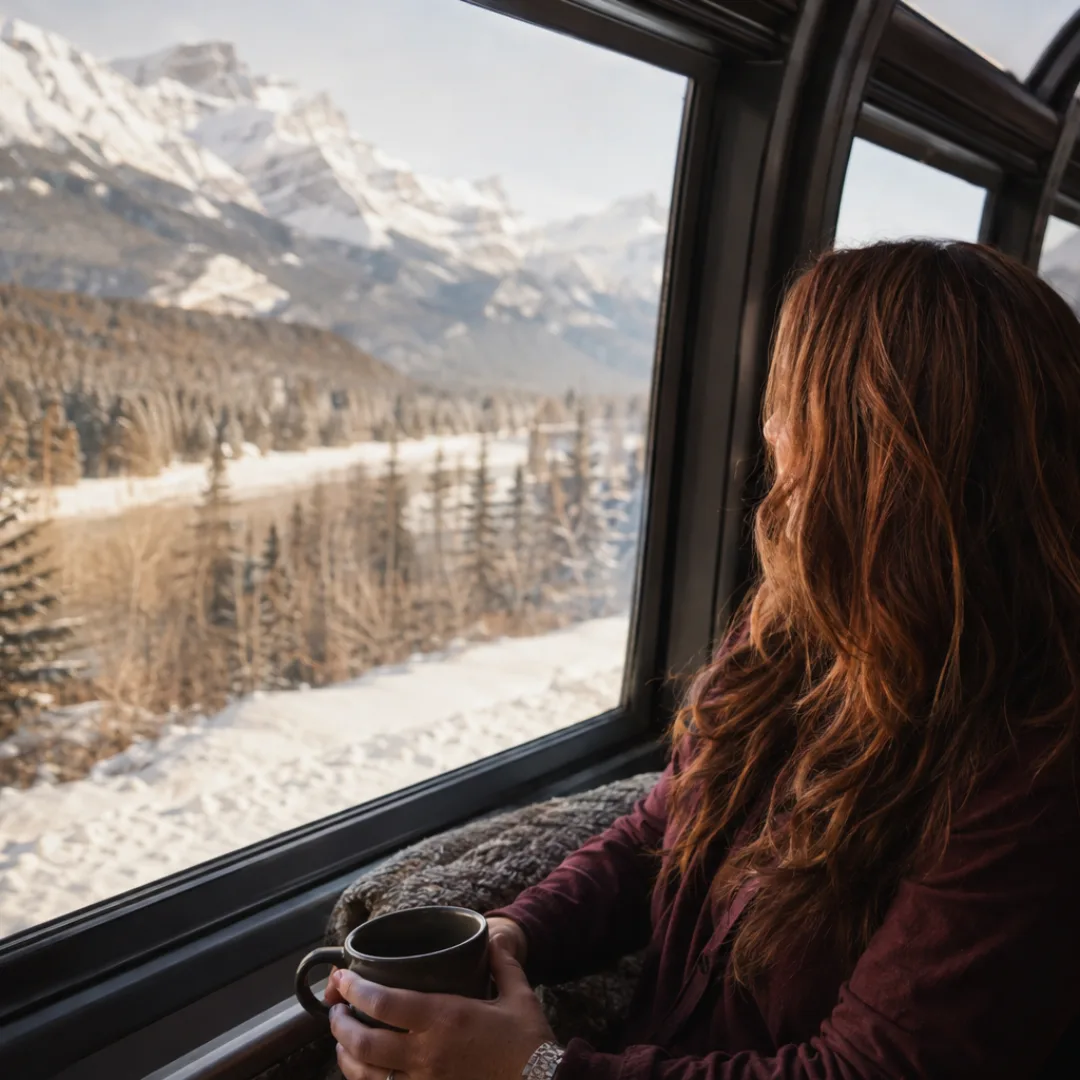
From Toronto, the journey becomes the train. Three nights in Prestige Class through the lake country of Ontario and out onto the prairies. Prestige is not simply a larger cabin: it changes the rhythm of the days. There is always somewhere comfortable to retreat to, dedicated seating for meals or in-room meals when it takes you, perfect for watching the winter pass.
Set an alarm before sunrise at least once on the prairies. The dome car is nearly empty at that hour. There are no mountains for the sun to rise over; instead, the light slowly reveals an impossibly flat horizon, the snow blue-grey, then, for perhaps ten minutes, pink and gold, then brilliant white. You will hear almost nothing but the wheels and the occasional coffee cup.
By the second dinner, you will recognise half the carriage. Winter changes the dining car: wool jumpers instead of hiking gear, conversations that run long because nobody is rushing to disembark. Snow gathers on the windowsills at station stops, and crossing between carriages puts the cold briefly and memorably on your face. By the third day, the train has stopped feeling like transport and become a small hotel that happens to be moving across Canada.
Then, somewhere west of the grain elevators, the journey changes. The horizon disappears. The train slows. Rivers replace fields. You stop looking across the landscape and start looking up.
Jasper
Three nights at the Jasper Park Lodge, on a frozen lake under some of the darkest accredited night sky in the world. What anchors Jasper: the Columbia Icefield, the valley’s wildlife with a guide who knows where winter concentrates it, and the town itself, which in February belongs to the people who live there. At thirty below, and it happens, the air is so dry and clear the mountains stand nearer than they are, snow squeaks underfoot rather than crunching, and camera batteries surrender astonishingly fast. Carry a spare in an inside pocket. This is part of the journey, not a warning.
The Canadian
The final night on the train, Jasper to the coast. Do not settle on one side of the carriage: through the Fraser Canyon, the views trade places constantly, and the right answer is to keep moving between the dome and the Park Car at the train’s tail.
Vancouver
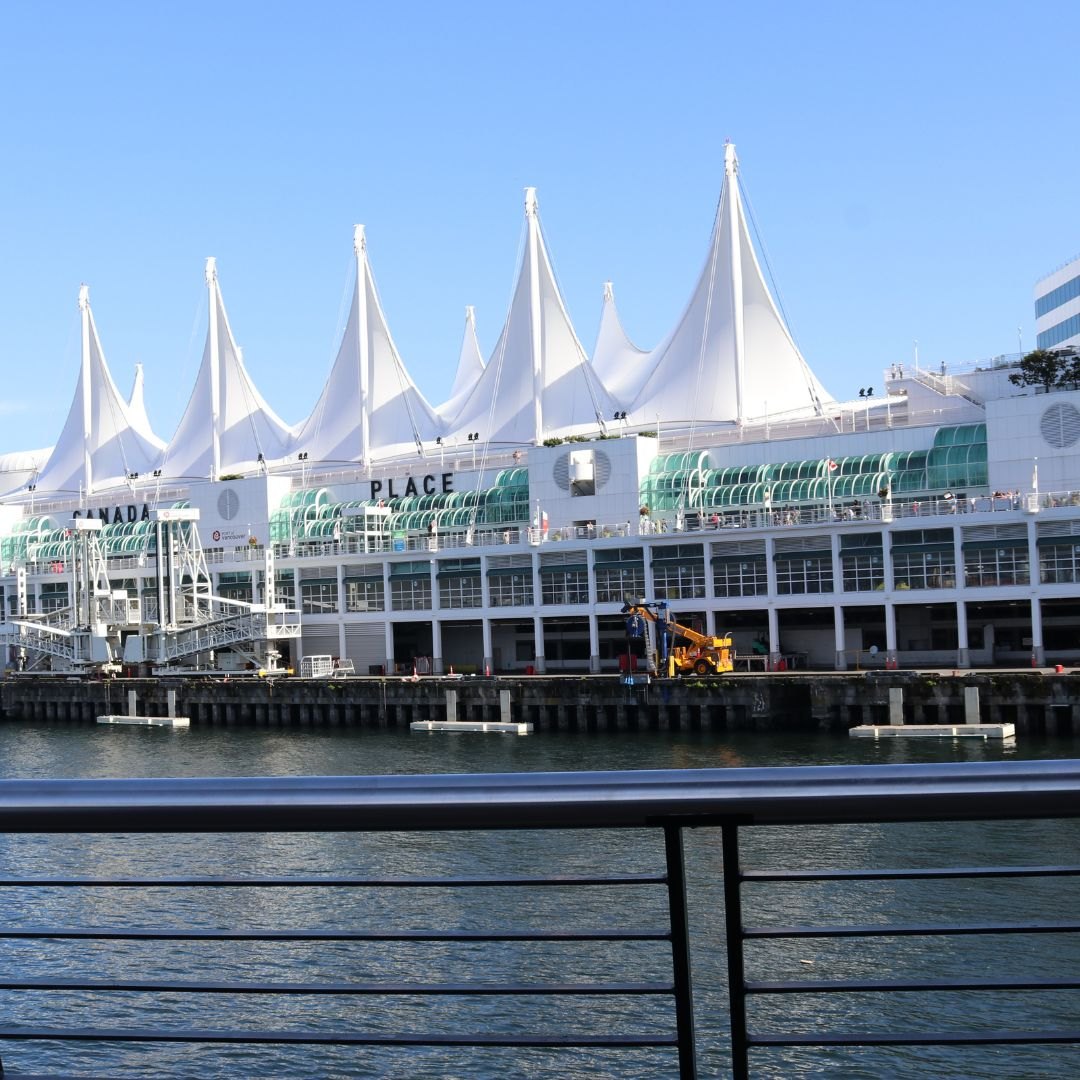
After days of frozen country, the first patches of green arrive almost as a shock. Rain instead of snow; moss on the trees; air that smells damp and salty rather than crisp and dry. You have crossed not only a continent but, it will feel, a season. Three nights at the Pan Pacific on the harbour close the journey: snowshoeing and fondue on Grouse Mountain above the city, the coastline by seaplane, and Granville Island’s market for the last of the eating.
From the line

From the advisors
Remembered, not researched.
We have crossed Canada aboard The Canadian in winter. This itinerary is the version we would book again, the same trains, the same rooms, the same alarm set before dawn on the prairies. The things above about the light, the dining car, and the cold are not researched. They are remembered.
When to go
Winter at full depth.
The journey runs from mid-December to March. We recommend January to mid-February: winter is at full depth and fully reliable, the ice hotel is open, Toronto is at table for Winterlicious, and the low sun keeps the long gold light for more of the day. December works for those who want the country dressed for the holidays; March trades some certainty of snow for longer days.
The trains keep their own calendar. The Ocean three departures a week, The Canadian two, and the itinerary is composed around them. The train leaves when it leaves. We consider this a feature.
The particulars
What is included.
The price above is for two travellers and includes:
- The rail crossing in Prestige Class aboard The Canadian from Toronto to Vancouver
- A sleeper aboard the Ocean from Halifax to Quebec City
- Business class seats on the corridor trains between Quebec, Montreal, and Toronto
- All hotels, the Frontenac and the ice hotel among them, with breakfasts throughout
- Private transfer between hotels and trains
- Anchor experiences included in the base price:
- Halifax Citadel Tour
- Halifax Helicopter Tour
- Quebec evening forest tour
- Quebec Valcartier Passes
- Quebec Old City Walking Tour
- Montreal Dog Sledding
- Toronto Niagara Falls by Helicopter
- Jasper Columbia Icefields Tour
- Vancouver Snowshoeing and Fondue on Grouse Mountain
The anchor experiences described are interchangeable with other excursions. We can also arrange many other unique experiences and dining options at an additional cost.
International airfares are excluded; we arrange connections from Australia and New Zealand with Qantas, Air Canada, or Air New Zealand, and from the United States to Halifax and home from Vancouver, with airport transfers included whenever we book the air.
Every journey is composed for its travellers. Hotels, cabin class, pace, and the balance of days are settled in conversation. This can be as all-inclusive as you want it to be. Think of us as your travel concierge; we can adjust the itinerary to your preferences.
Prestige cabins are few, and fewer in winter’s shorter trains. The journey books months ahead; January departures are typically committed by early spring the year before.
In summer
The same line, written longer.
From late April the journey extends onto the water, with the St. Lawrence by small ship between Québec and the Atlantic. The summer rendering appears here in September.
How it begins
Write to us with the winter you have in mind.
Write to us with the winter you have in mind, dates, and who is travelling. We reply within two business days with our honest view of availability and fit, and the conversation goes from there.